Our History
The History of the Lung Kong Qin yi General Association in Canada
By Guan Wenjian
The General Association was founded in 1902. After the completion of the Western Canada Railway in 1885, overseas Chinese flocked to Victoria to start businesses and seek employment. Overseas Chinese valued traditional family values, helping each other, looking after each other, recommending jobs, and sharing memories of their hometowns. Consequently, clan groups naturally formed, forming clan associations. In 1905, funds were raised to build a three-story building. The third floor housed statues of the four ancestors, Liu, Guan, Zhang, and Zhao, as well as the ancestral tablet of Zhuge Liang.
A Brief History of the Lung Kong Tin Yee Association in Toronto
By Zhang Shenghuan (Abridged)
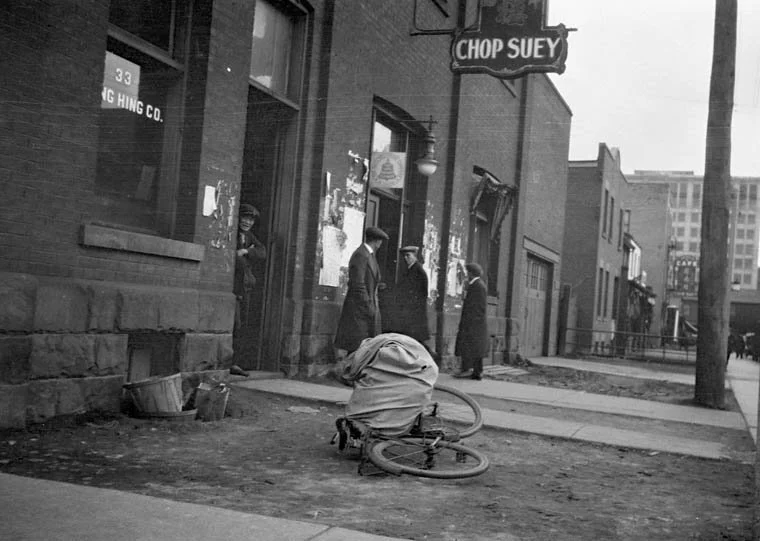
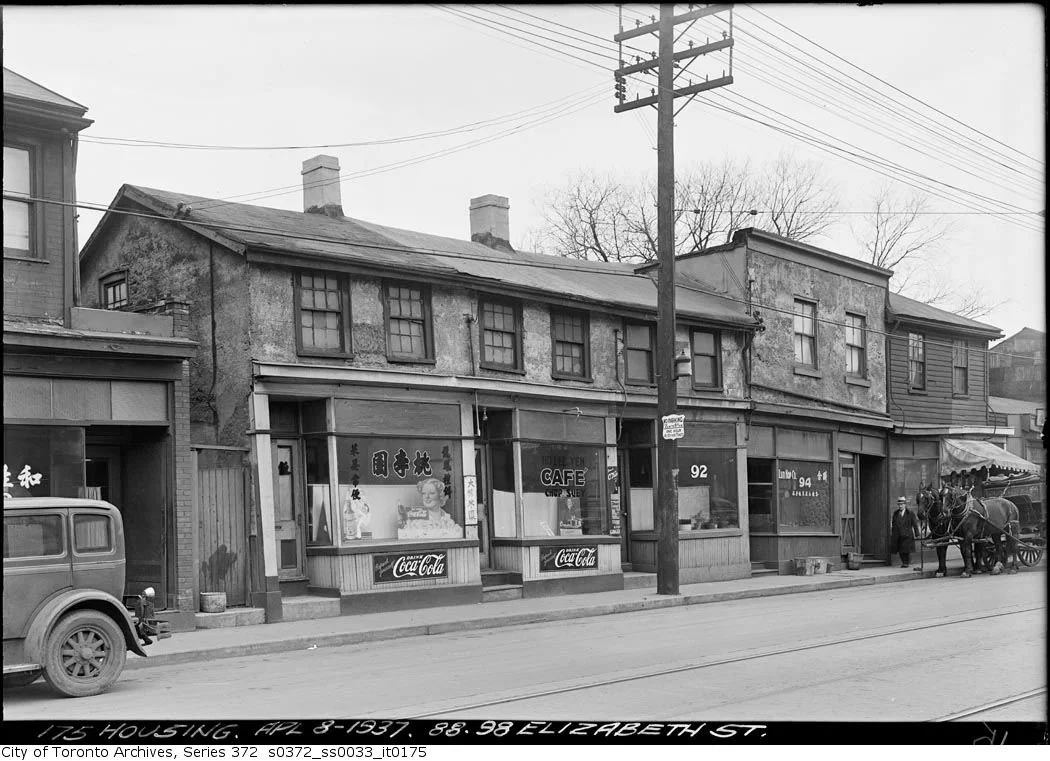
The Longgang Qinyi General Association in Toronto was established in the first year of the Republic of China (1911 AD). Its mission is to uphold the spirit of the four ancestors' oath of brotherhood in Peach Garden and their gathering in the ancient city, and the teachings of Liu the First Lord: unity, love, and mutual assistance. Initially renting a building on Queen Street, the club later moved to the upper floor of the Yong Tong Chang grocery store on Elizabeth Street. Due to the large number of members, the cramped and simple space was no longer adequate. A general meeting of all members was convened to discuss the purchase of a building. The club resolved to raise funds from all four clans and purchase the building themselves to become the Long Kong Clubhouse. This was a permanent solution. The proposal was unanimously approved. After months of effort, and thanks to the enthusiastic generosity and strong support of the brothers, this feat was finally accomplished. The clubhouse purchased a two-story building at 24 Elizabeth Street as its headquarters, with the clubhouse located on the second floor and the ground floor rented from Guang Heng Tai as a herbal medicine shop. Since then, the clubhouse has changed locations ten times. In 1921, the club was registered with the Ontario government and officially established as a non-profit organization under the name Lung Kong Shaw Brotherhood. Time flies, and the years flow by. During the 1930s, our association suffered from a slump in the market, widespread unemployment, and a demoralized society. This impacted the association's affairs, which fell into decline. The Sanyi Society also came to a halt, stalling for years and incurring numerous debts that were difficult to repay. Those who loved our association were deeply concerned and sought to remedy the situation. Fortunately, elders like Liu Qifeng, Guan Chongzao, Liu Zuzuo, Zhang Jingxian, and Zhao Wenwei campaigned, expounding on the teachings of our late master and advocating for funds from our four brothers to repay the debts and reverse the decline. This greatly boosted morale, and the association's affairs began to prosper. This was all due to the profound understanding of our four brothers, their leadership, and the sincere cooperation of all staff members. After years of fundraising and management, the association's economic foundation gradually became solid.
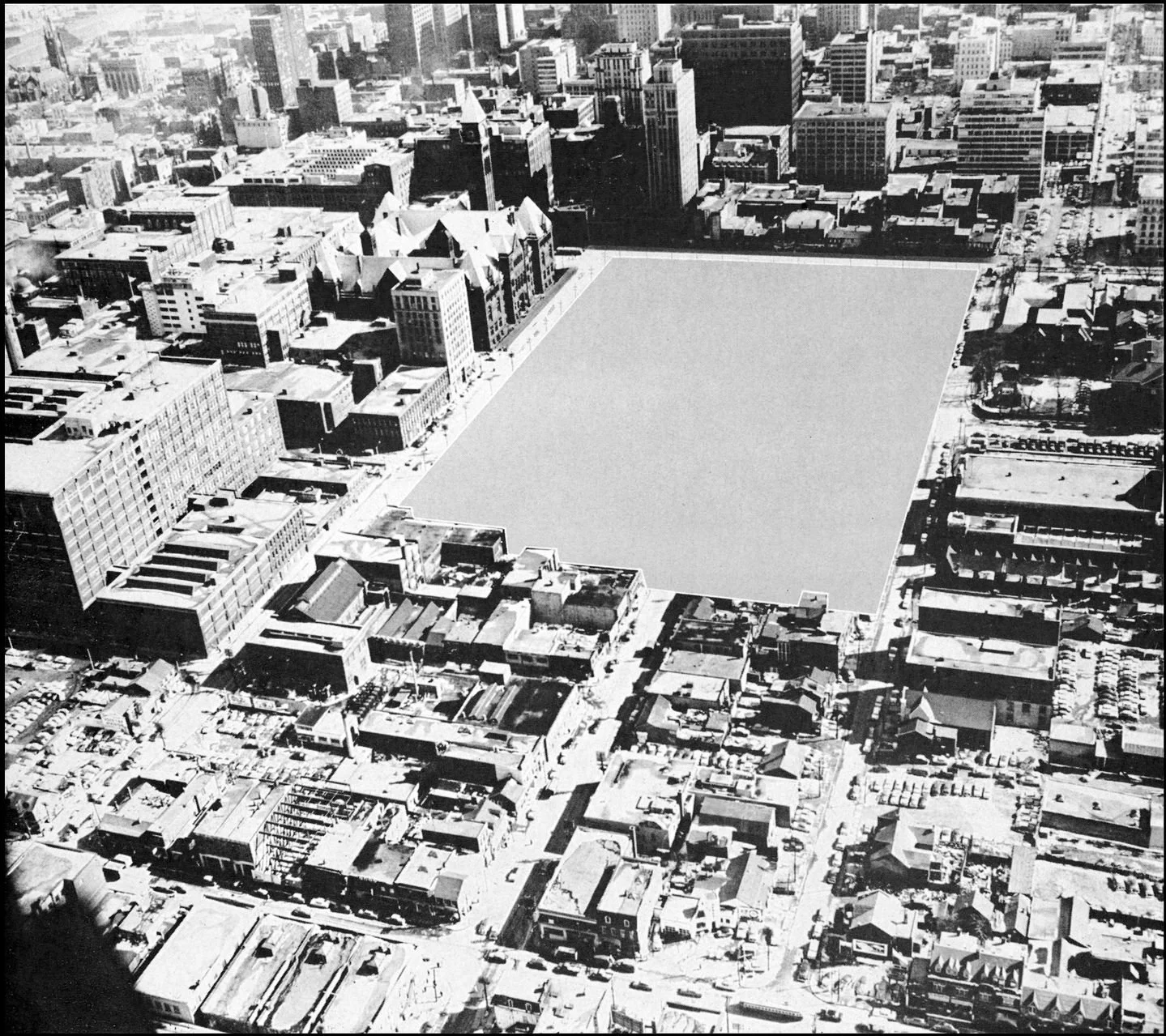
However, the July 7 Incident erupted, and anti-Japanese forces rose in China. The government dispatched Mr. Liu Weizhi to America to comfort overseas Chinese and organize the Ontario Anti-Japanese National Salvation Association to unite overseas Chinese and strengthen the nation. Regarding the location of the meeting, our association, driven by our deep loyalty and love for our country, felt obliged to generously lend an entire floor of our office for the Anti-Japanese National Salvation Association's headquarters. For four years, all expenses, including water, electricity, kerosene, and other utilities, were covered by the association, without taking a penny. This spirit of righteousness is a source of comfort and pride for Longgang. By then, the association's human and financial resources had become robust and stable, so it initiated the purchase of additional property to generate income. This resulted in the acquisition of two-story buildings at 92 and 94 Elizabeth Street. Mr. Zhang Xiliu provided any remaining funds. To facilitate its success, the main shop became a store, and the second floor was rented to Tianyuan for a restaurant. From then on, the company's finances began to improve. Within a few years, they purchased a burned-out building at 105 Elizabeth Street and rebuilt it at a cost of over $270,000. The building now boasts three floors, with the first and second floors rented to Lianyuan for a restaurant. The association then moved from No. 24 to 1053. Over a decade later, with the number of members growing, the third floor proved insufficient. So, the second floor of Lianyuan Restaurant was reclaimed and renovated, becoming a venue for the Sanyi Club, the Youth Department, the Women's Department, and a book and newspaper reading area. The building is truly magnificent, with a completely new look. Annual celebrations, the birthdays of the four ancestors, picnics, and outings are all well-organized. The association sends representatives and delegations to every family reunion in Longgang or America, and the association's activities flourish and grow. The Toronto City Council recently designated Elizabeth Street as a designated area for the construction of a new City Hall, forcing the sale of the two-story building at 9294 Elizabeth Street. The building at 105 Elizabeth Street was also included in the acquisition. To prepare for the relocation of the synagogue, they hastily acquired the future synagogue at 206 McGulle Street, initially relocating the youth and women's ministries there. They also hosted various activities there, including Chinese literacy classes, Tai Chi classes, and Chinese traditional music classes. While the synagogue enjoyed a period of prosperity, its success was short-lived. Within two years, it had fallen into disuse. Not only was the synagogue generating no income, but it also required annual maintenance costs exceeding $1,000. This continued existence was deemed unwise. Furthermore, 105 Elizabeth Street had not yet been acquired. After much deliberation, it was finally sold. The office then purchased two buildings at the Apts on Bowen Street to generate income. The Apts were actually quite profitable, but due to years of disrepair and the difficulty in hiring someone to repair them, the city government repeatedly urged repairs, making the cost prohibitive. Prior to this, the office also acquired a three-story building at 401 Spinner Street.
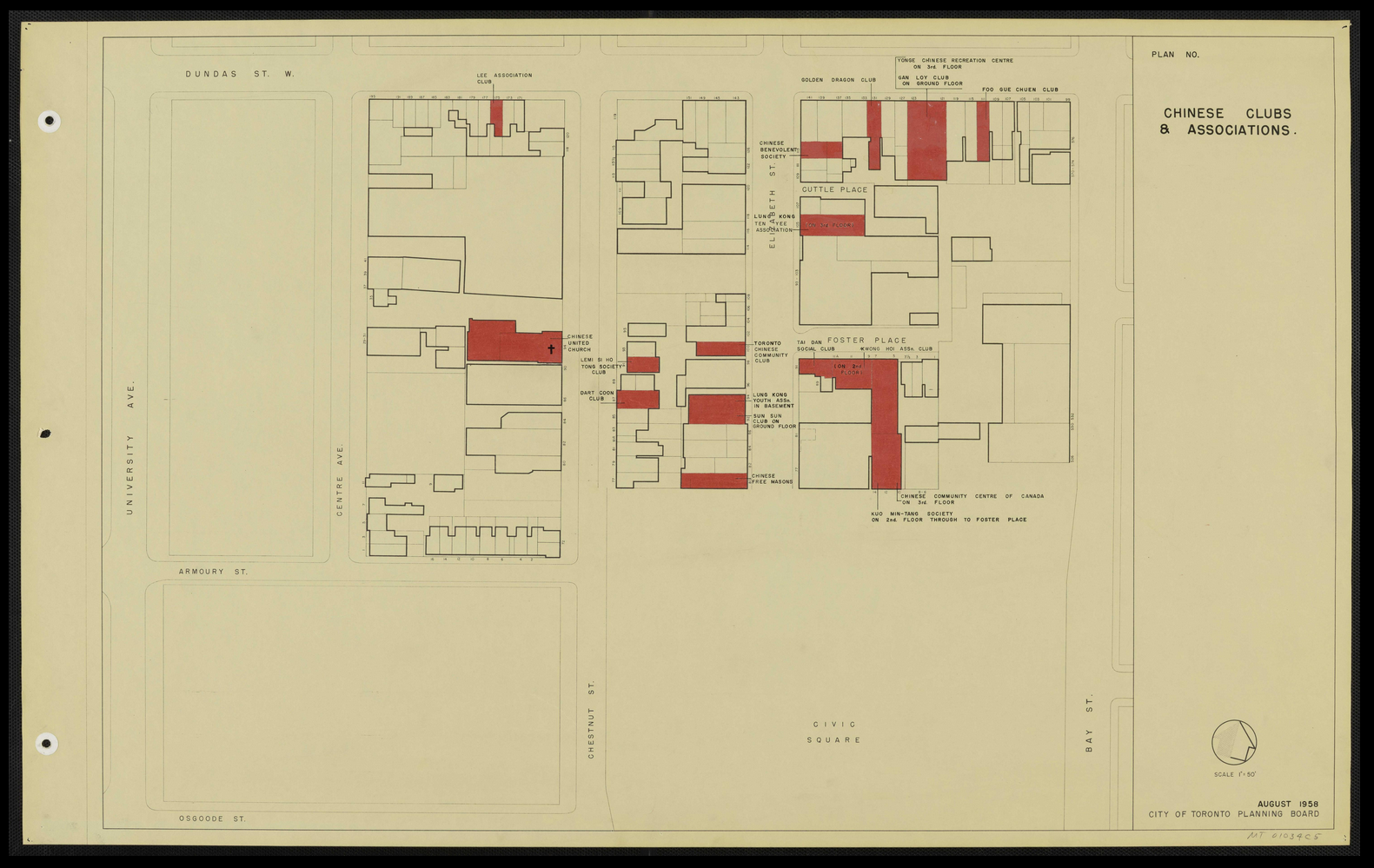
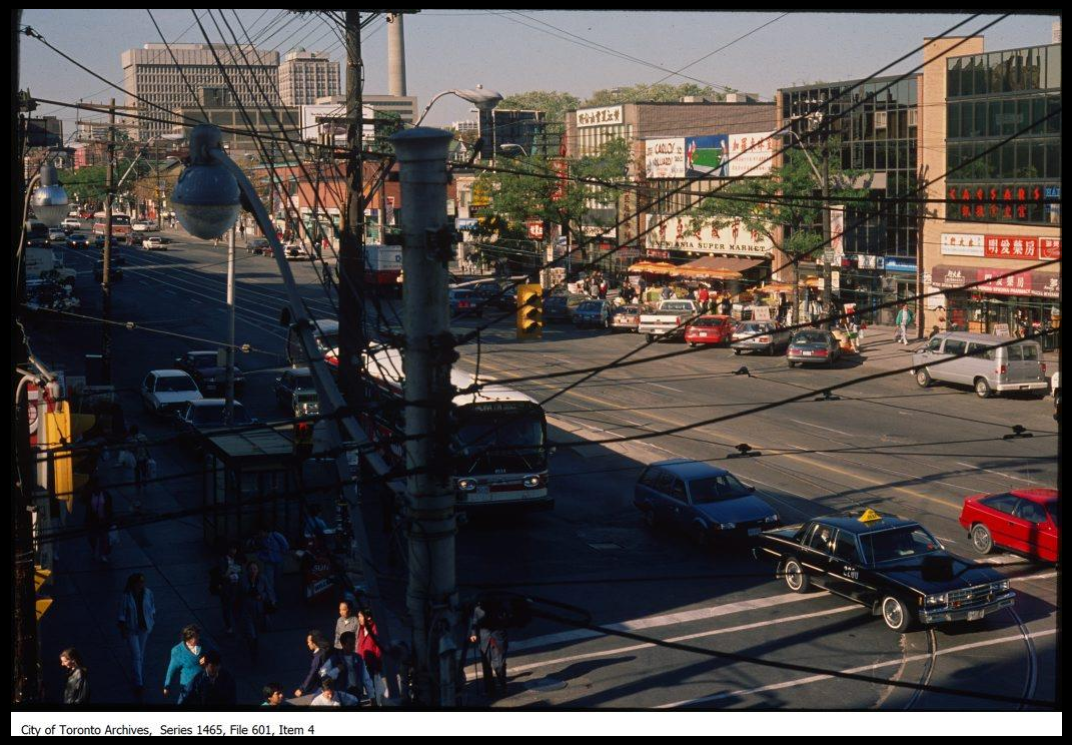
However, times have changed. The old buildings on Elizabeth Street have been gradually demolished, replaced by tall buildings. Few of the original Chinese shops remain, forcing the Central Chinatown to relocate westward. On July 1, 1991, the original address of the association at 105 Elizabeth Street was sold to a development company. At the same time, a new three-story building at 287-289 City St. Petersburg was acquired as a permanent home. Eight years have passed in a flash. Looking back on the association's work since its relocation, in addition to the scholarship program for members' children launched ten years ago and other significant achievements, we also organized the 14th American Reunion Representatives Conference in Toronto in 1995. With support and assistance from all sides, our achievements were highly praised by clan members from all over the country, which is a great comfort. We will continue to work hard to maintain unity, foster family harmony, cultivate talent, attract new members, work hard to improve the welfare of our members, and support public welfare projects in the overseas Chinese community. Thanks to the hard work of our predecessors and the tireless efforts of our predecessors, our board of directors and supervisors have finally achieved stability. Unfortunately, the world is ever-changing. The recent economic downturn and heavy tax burdens have made maintenance more difficult than before. Fortunately, however, we are still relatively stable.